
Mastocytosis
Mastocytosis is characterized by an excess of mast cells throughout the body and can affect both children and adults.


Mastocytosis is characterized by an excess of mast cells throughout the body and can affect both children and adults.
Mastocytosis, a disorder affecting both children and adults, is characterized by an excess of mast cells throughout the body. These mast cells, found in the skin, lymph nodes, and various internal organs, play a crucial role in bolstering your immune system's defense against diseases.
The presence of too many mast cells, or mastocytosis, can occur in two forms—cutaneous and systemic. Cutaneous mastocytosis, also known as urticaria pigmentosa, occurs when mast cells infiltrate the skin, representing the most common presentation. On the other hand, systemic mastocytosis arises from the accumulation of mast cells in various tissues, impacting organs such as the liver, spleen, bone marrow, and small intestine. The true number of cases of either type of mastocytosis remains unknown, but mastocytosis generally is considered to be an “orphan disease.” (Orphan diseases affect approximately 200,000 or fewer people in the United States.)
Despite its rarity, mastocytosis can significantly impact your well-being. At Rencic Dermatology, our experts provide tailored treatment plans to alleviate symptoms and improve your quality of life.
Examples of Mastocytosis

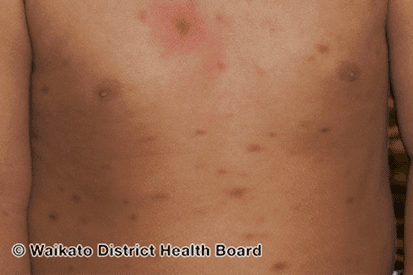
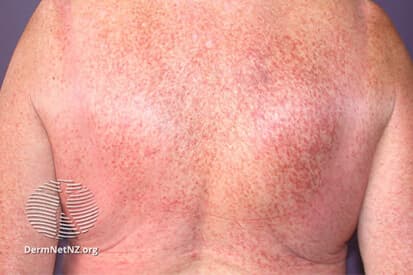
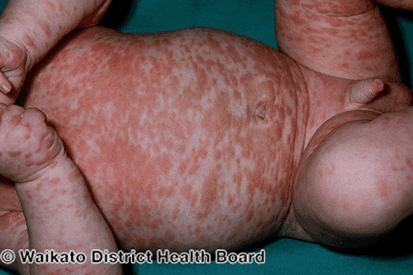
What are the Symptoms of Mastocytosis?
Skin lesions or patches, often resembling freckles or small reddish-brown spots
Flushing or redness of the skin
Itching, hives, or other forms of skin irritation
Abdominal pain, cramping, or gastrointestinal symptoms such as diarrhea or nausea
Headaches or migraines
Hypotension (very low blood pressure and faintness)
Musculoskeletal pain or fractures due to weakened bones (osteoporosis)
Fatigue or weakness
Anaphylaxis or severe allergic reactions, potentially triggered by certain foods, medications, or environmental factors
Causes of Mastocytosis
Genetic mutations: Mutations in genes such as KIT (KIT proto-oncogene receptor tyrosine kinase) are often associated with mastocytosis. These mutations lead to abnormal growth and accumulation of mast cells in the skin and other organs.
Somatic mutations: In most cases of mastocytosis, the mutations occur sporadically (somatic mutations) rather than being inherited from parents. However, rare familial forms of mastocytosis have been reported, suggesting a genetic predisposition in some cases.
Triggers and environmental factors: Certain triggers or environmental factors may exacerbate mast cell activation and symptoms in individuals with mastocytosis. These triggers can include physical stimuli (such as heat, cold, or friction), emotional stress, certain medications (such as nonsteroidal anti-inflammatory drugs, opioids, or antibiotics), insect stings, and certain foods or food additives.
Mastocytosis Prevention
Preventing mastocytosis isn't currently possible due to its primarily genetic origin, involving mutations affecting mast cells. However, individuals can take proactive steps to manage their symptoms and enhance their quality of life.
This involves identifying and avoiding triggers that can worsen mast cell activation and symptoms, such as certain foods, medications, environmental factors, and emotional stressors. Collaborate closely with your healthcare providers to develop personalized medication regimens tailored to manage symptoms like itching, flushing, and gastrointestinal issues. Wear medical identification, such as bracelets or necklaces, indicating mastocytosis status, especially if you're at risk of severe allergic reactions or anaphylaxis, to ensure prompt and appropriate medical attention during emergencies. Regularly monitor your symptoms and their triggers through journaling or diaries to identify patterns and develop effective management strategies. Stay informed about the latest research and developments in mastocytosis management and seek support from patient communities for valuable insights and support.
While mastocytosis cannot be prevented, you can empower yourself to lead a fulfilling life while effectively managing your symptoms and minimizing their impact on your overall well-being with guidance and recommendations from knowledgeable healthcare providers.
Mastocytosis FAQs
Mastocytosis Treatment Options
Managing mastocytosis involves a range of treatment options tailored to address specific symptoms and improve overall quality of life. Healthcare providers employ various medications to alleviate symptoms associated with mastocytosis, focusing on mitigating the effects of mast cell activation and reducing discomfort. Here is an overview of the treatment approaches commonly used:
Antihistamines: Antihistamines are frequently prescribed to counteract the effects of mast cell-released histamine, which contributes to symptoms such as itching, flushing, and low blood pressure. Certain antihistamines may also target specific symptoms, such as ulcers. Additionally, antihistamines can help prevent symptom flares associated with anaphylaxis.
Anticholinergics: These medications are used to relieve intestinal cramping, which is a common symptom experienced by individuals with mastocytosis.
Proton Pump Inhibitors (PPIs): PPIs are medications that can be effective in alleviating ulcer-like symptoms associated with mastocytosis. They work by reducing the production of stomach acid, thereby providing relief from gastrointestinal discomfort.
Epinephrine: In cases of severe symptom flares, particularly those involving anaphylaxis or shock, epinephrine may be administered to quickly counteract the effects and stabilize the individual.
Steroids: Steroids may be prescribed to address malabsorption issues, which can occur due to impaired nutrient absorption in individuals with mastocytosis.
Cromolyn Sodium: This medication may help reduce abdominal cramping, offering relief from discomfort associated with gastrointestinal symptoms.
In rare instances where mastocytosis is malignant, cancerous, or associated with a blood disorder, more aggressive treatment approaches may be necessary. This can include the use of steroids and/or chemotherapy to target malignant mast cells and manage the condition effectively.
It's important for individuals with mastocytosis to work closely with their healthcare providers to develop a personalized treatment plan tailored to their specific symptoms and needs. Regular monitoring and adjustments to the treatment regimen may be necessary to ensure optimal symptom management and overall well-being.