
Actinic Keratosis
Actinic Keratosis causes rough, scaly skin patches from sun damage and may progress to skin cancer. Rencic Dermatology offers expert care to treat and protect you.
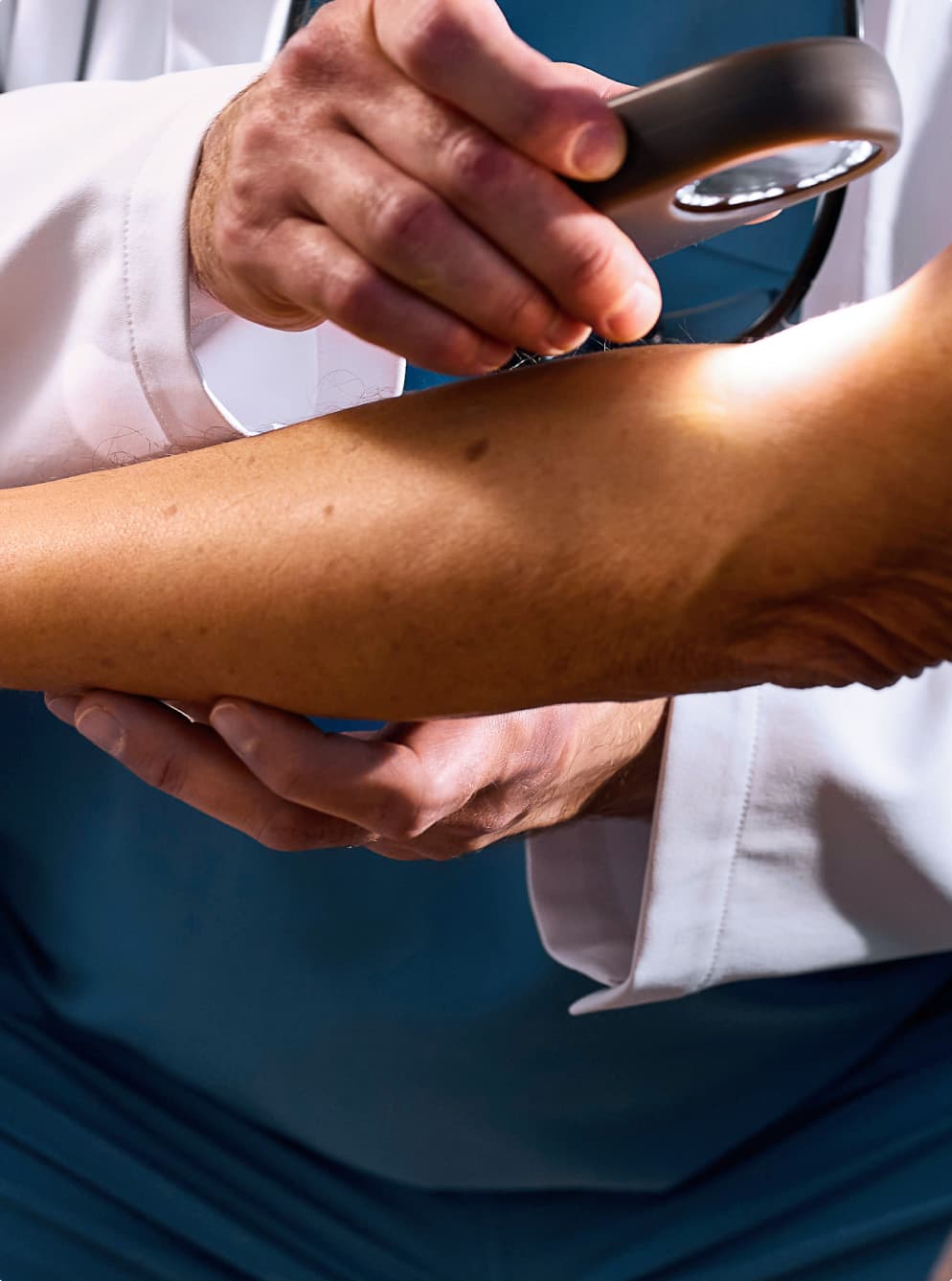

Actinic Keratosis causes rough, scaly skin patches from sun damage and may progress to skin cancer. Rencic Dermatology offers expert care to treat and protect you.
What Is Actinic Keratosis?
Actinic Keratosis presents as rough, callous, and scaly patches or lesions on the skin. These lesions develop on areas frequently exposed to the sun, such as the face, ears, neck, lips, forearms, and the backs of the hands. The condition is primarily a result of long-term exposure to ultraviolet (UV) radiation from the sun or tanning beds, which causes damage to the skin over time.
Individuals with fair complexions are at a significantly higher risk for developing Actinic Keratosis. This includes those with light skin tones, blonde or red hair, and blue or green eyes. The natural lack of melanin in their skin offers less protection against the harmful effects of UV radiation. Additionally, people who have spent a significant portion of their lives outdoors, whether due to occupational exposure or recreational activities, are more prone to this condition. The risk is cumulative, meaning the more sun exposure one has over their lifetime, the greater the likelihood of developing these lesions.
Actinic Keratosis is most commonly diagnosed in individuals aged forty and older. As we age, our skin's ability to repair damage from UV radiation diminishes, leading to the appearance of these lesions. However, it’s not uncommon for younger individuals, especially those with significant sun exposure, to develop Actinic Keratosis as well.
Recognizing and treating Actinic Keratosis is crucial because it is considered a precancerous condition. If left untreated, these lesions can potentially progress to squamous cell carcinoma, a type of skin cancer. Regular skin examinations by a dermatologist are a vital part of managing Actinic Keratosis. At Rencic Dermatology, our skin experts are trained to identify and treat these lesions early, reducing the risk of progression to more severe conditions. Given its potential to progress to skin cancer, prompt and effective treatment by a dermatologist is essential. At Rencic Dermatology, we are committed to providing comprehensive care to prevent and manage Actinic Keratosis, helping our patients maintain healthy skin throughout their lives.
Examples of Actinic Keratosis
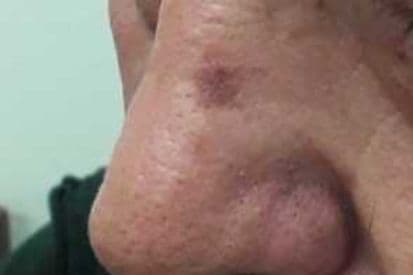
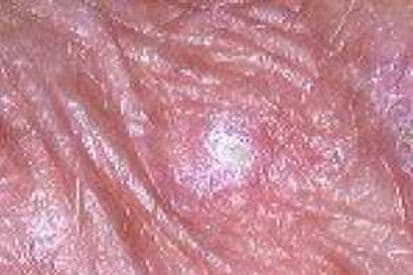
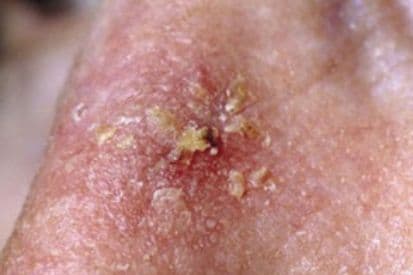
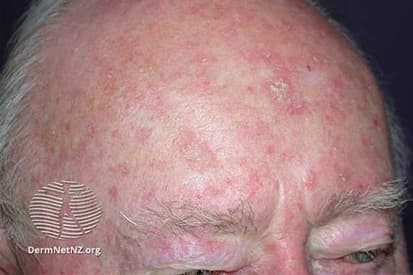
What are the Symptoms of Actinic Keratosis?
Actinic keratosis can vary in appearance and may be easier to feel than see. They commonly develop on areas of skin exposed to the sun and may start as rough or scaly patches that gradually become more noticeable. Some lesions may itch, sting, or feel tender, while others cause no symptoms.
Rough, scaly, or sandpaper-like patches
Flat or slightly raised spots
Skin-colored, pink, red, or brown discoloration
Dry or crusty surface
Spots that feel rougher than the surrounding skin
Itching, burning, or tenderness
Lesions that may become thicker or more noticeable over time
Multiple spots appearing on sun-exposed areas
What Causes Actinic Keratosis?
Actinic keratosis develops when skin cells are damaged by long-term exposure to ultraviolet (UV) radiation. Repeated exposure to sunlight or tanning beds can cause abnormal changes in skin cells, leading to rough, scaly patches that may develop over time.
Actinic keratosis is most common on areas of the body that receive frequent sun exposure. Factors that can increase the risk of developing actinic keratosis include:
Long-term or repeated sun exposure
Frequent use of tanning beds
History of sunburns
Fair skin, particularly skin that burns easily
Older age
Spending significant time outdoors
A weakened immune system
Previous history of actinic keratosis or skin cancer
When to See a Dermatologist for Actinic Keratosis
Actinic keratosis is common, but can develop into squamous cell carcinoma if left untreated. Knowing when to see a dermatologist for actinic keratosis can help ensure early evaluation and appropriate treatment.
A dermatologist can examine suspicious spots, determine whether they are actinic keratosis, and recommend treatment or monitoring when appropriate. Book an appointment with a dermatologist at Pinnacle Dermatology if you have:
A rough or scaly patch that does not go away
A spot that becomes thicker, larger, or more noticeable
A lesion that bleeds, crusts, or becomes painful
Persistent itching, burning, or tenderness
New or changing spots on sun-exposed areas
Multiple actinic keratosis cases or a history of significant sun exposure
How to Prevent Actinic Keratosis
Sunscreen: Regularly apply a broad-spectrum sunscreen with a high SPF to exposed skin, even on cloudy days. Reapply every two hours and more frequently if sweating or swimming.
Protective Clothing: Wear protective clothing, such as wide-brimmed hats, long sleeves, and sunglasses, to shield the skin from direct sunlight. Clothing with a tight weave offers additional protection.
Seek Shade: Limit direct sun exposure during peak hours, typically between 10 a.m. and 4 p.m. When outdoors, seek shade under trees, umbrellas, or other structures.
Avoid Tanning Beds: Refrain from using tanning beds, as they emit harmful UV radiation that contributes to skin damage.
Regular Skin Examinations: Perform at-home self-examinations of the skin regularly to detect any changes or new lesions as well as schedule annual total body skin exams with your trusted dermatology provider. Notify your provider of any suspicious growths or changes you find.
Limit Alcohol and Tobacco: Excessive alcohol consumption and smoking can contribute to skin damage, so moderation or cessation of these habits is beneficial.
Stay Hydrated: Proper hydration helps maintain skin health. Drink an adequate amount of water to support overall skin function.
Actinic Keratosis FAQs
How to Treat Actinic Keratosis
Actinic keratosis may be treated to remove abnormal skin cells and reduce the risk of progression to skin cancer. Treatment recommendations depend on the number, size, location, and appearance of the lesions, as well as the patient's overall skin health and history of sun exposure.
For patients with actinic keratosis, dermatologists may recommend options such as cryotherapy, prescription topical medications, photodynamic therapy, or other procedures depending on the characteristics of the lesions. A dermatologist can evaluate actinic keratosis and determine whether treatment, monitoring, or further evaluation is appropriate.
How Pinnacle Dermatology Can Help
At Pinnacle Dermatology, our dermatologists evaluate actinic keratosis, monitor changes, and help patients understand their treatment options. Whether you have concerns about a new rough or scaly spot, changes to an existing lesion, or are exploring actinic keratosis treatments, our team provides personalized recommendations based on your skin health needs.
Knowing when to see a dermatologist for actinic keratosis can help ensure suspicious changes are identified early and the appropriate care plan is recommended. Our dermatologists are committed to helping patients protect their skin and maintain healthy skin.